Radio broadcasting began in 1920. In Japan, broadcasting started in Tokyo in 1925 with Sharp’s launch of the country’s first domestically produced crystal radio set. Osaka followed, with broadcasting commencing in 1926. By 1928, when seven broadcast stations were operating nationwide and the number of registered receivers exceeded 300,000, vacuum tube radios became widespread. Portable radios utilizing miniature vacuum tubes also gained popularity in the 1940s. However, the transistor, invented in the United States in 1948, began to be used in radio, leading to semiconductor-based radios becoming the mainstream technology. Even today, the radio remains an essential tool in our lives, notably for providing information during disasters.
- 1864: James Clerk Maxwell theoretically predicted the existence of electromagnetic waves.
- 1887: Heinrich Hertz experimentally demonstrated the existence of electromagnetic waves, which came to be known as Hertzian waves.
- 1895: Guglielmo Marconi successfully demonstrated wireless communication using electromagnetic waves, laying the foundation for “wireless telegraphy.”
- 1896: Marconi obtained a patent for wireless telegraphy in the United Kingdom.
- 1901: Marconi successfully transmitted the first transatlantic wireless communication.
- 1906: Reginald Fessenden conducted the world’s first experimental radio broadcast (voice and music).
- 1912: The sinking of the Titanic highlighted the critical importance of wireless telegraphy when it was used to transmit distress signals.
- 1916: Experimental broadcasts for commercial radio stations began in the United States.
Long before commercial radio broadcasting officially began in the United States in 1920, amateur radio operators around the world were already conducting wireless communication. Because of this, many receivers were already in place in various locations when broadcasting started. Once radio broadcasting commenced, radio receivers rapidly spread.
- 1920: KDKA in the United States officially opened as the world’s first commercial radio broadcasting station.
- 1922: The British Broadcasting Company, the predecessor of the BBC (British Broadcasting Corporation), was established in the UK.
- 1925: The Tokyo Broadcasting Station (now NHK Tokyo Broadcasting Station) began experimental broadcasting in Japan. The following year, the Nippon Hoso Kyokai (Japan Broadcasting Corporation) was established.
- 1926: Radio receivers began to become common in ordinary households.
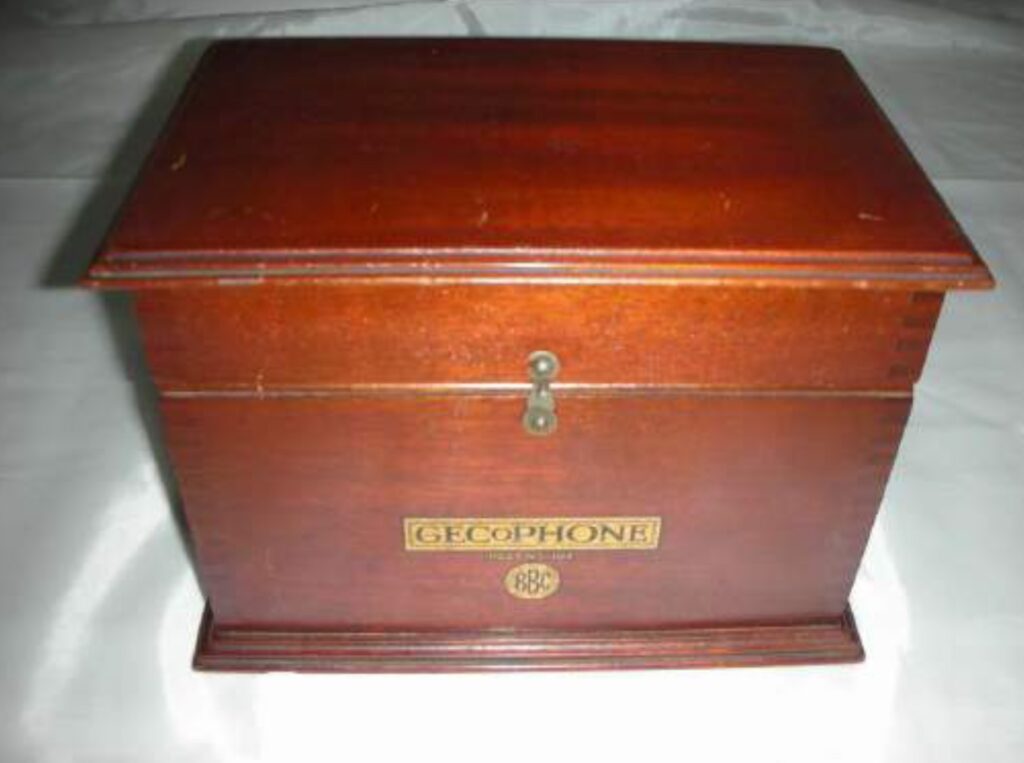
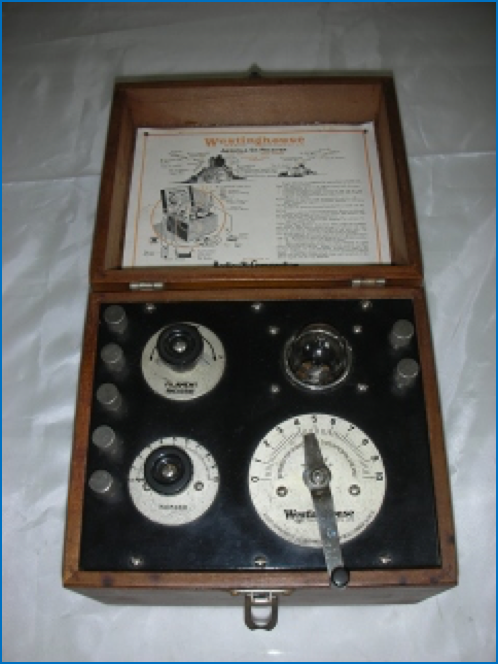
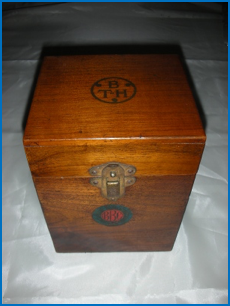

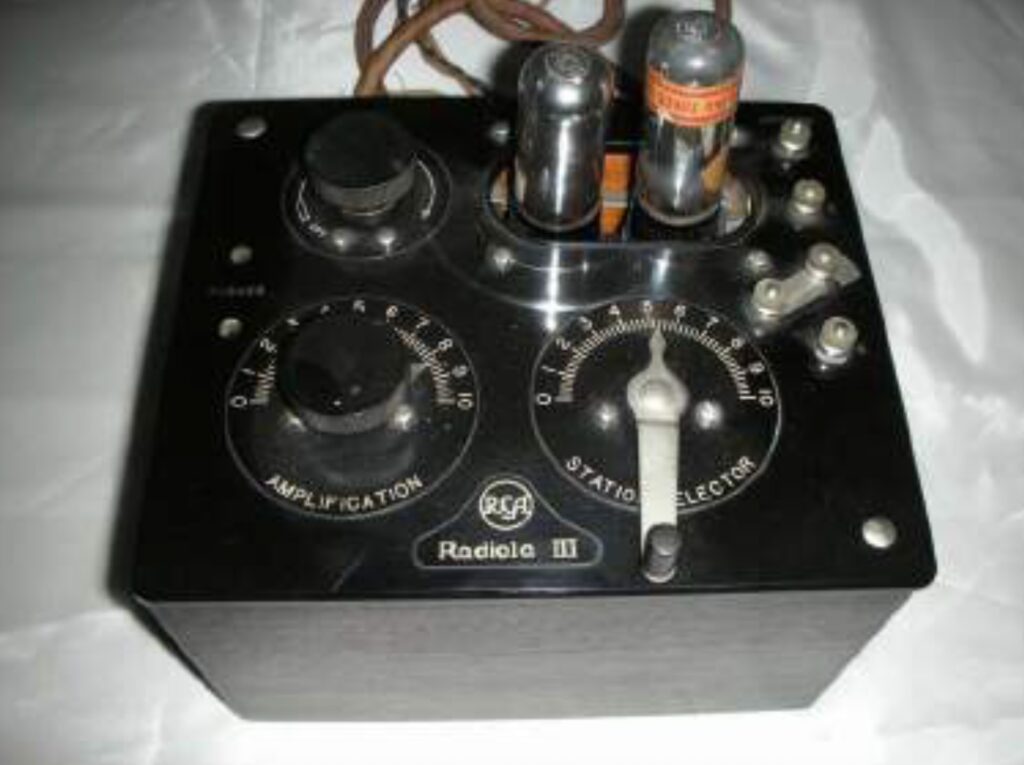

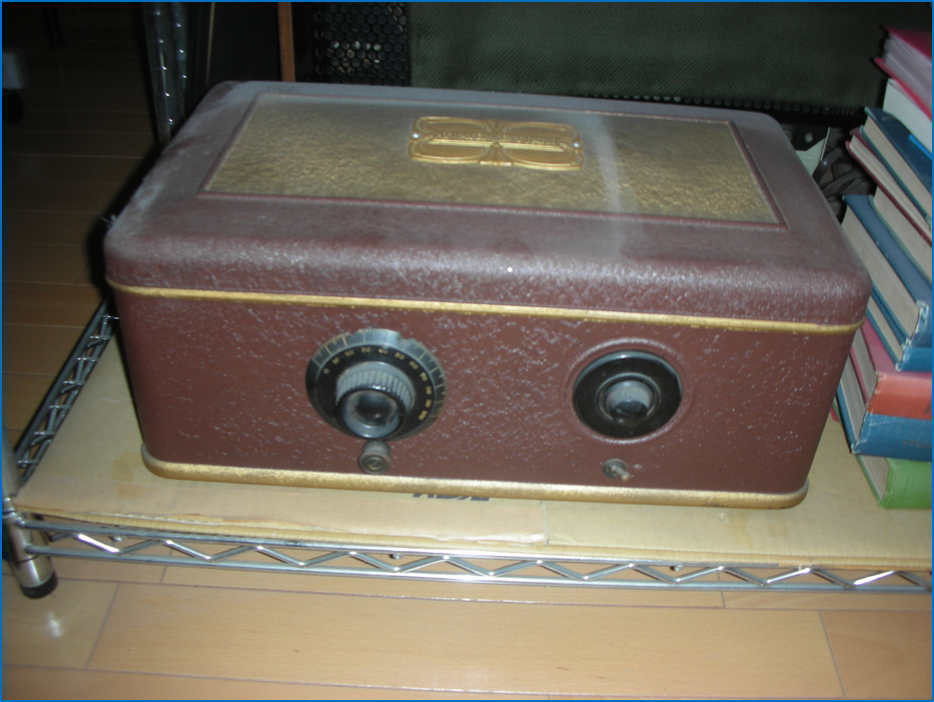
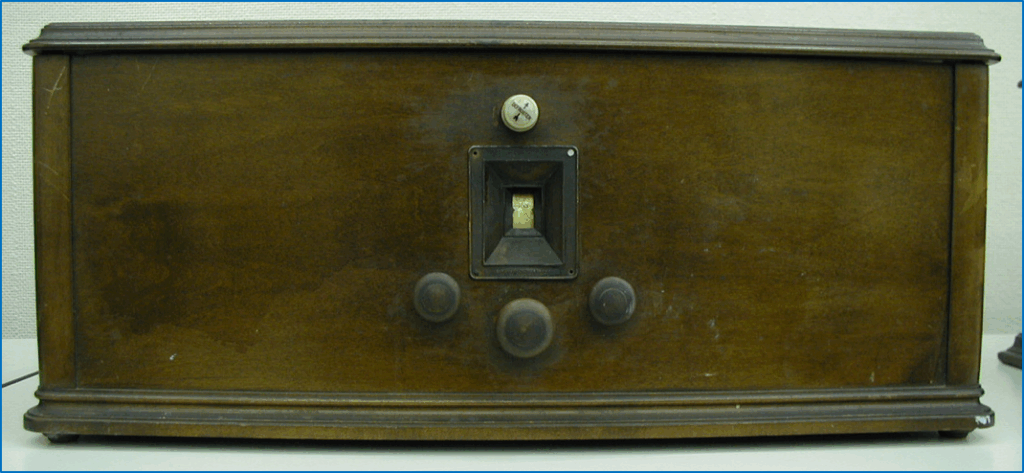
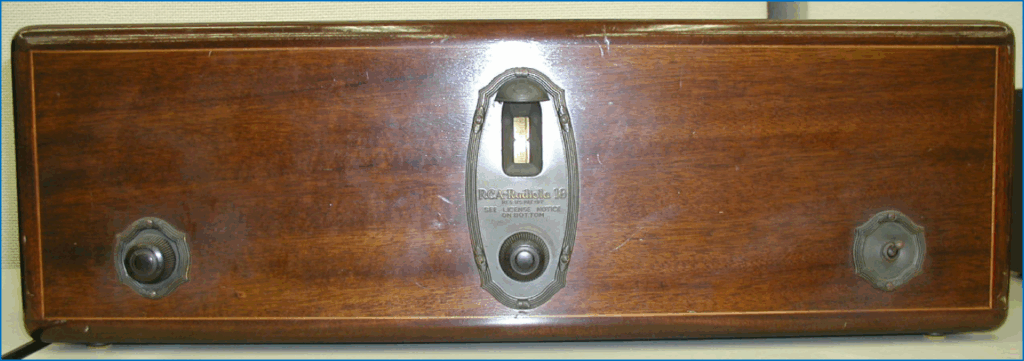
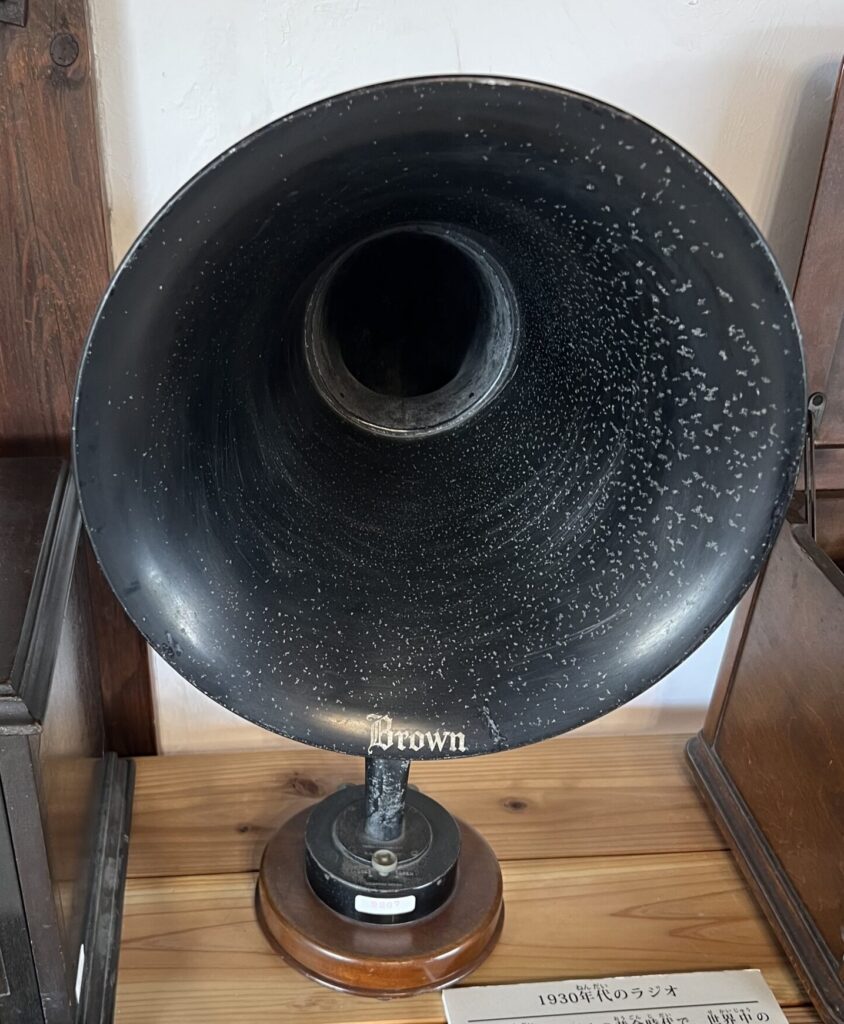

The 1930s were considered the Golden Age of Radio. Manufacturers worldwide competed fiercely to develop and release a wide variety of sets. “Electric phonographs“ (known as denchiku in Japan), which integrated a radio and a record player, also appeared. The development of the metal vacuum tube in 1935 and the miniature vacuum tube in 1939 made it possible to create smaller radios.
- 1930s: Radio became the central form of home entertainment, with a diverse range of content produced, including radio dramas, news broadcasts, and music programs.
- 1936: The 1936 Berlin Olympics were held in Germany, with radio serving as the primary medium to broadcast the events to the world.
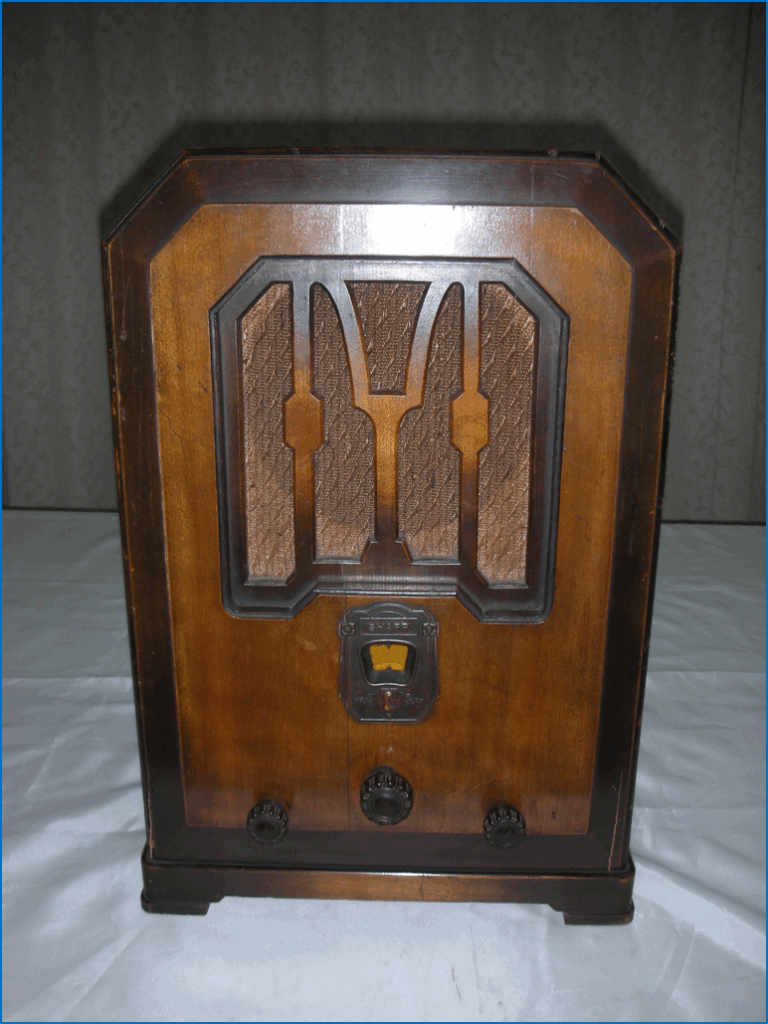
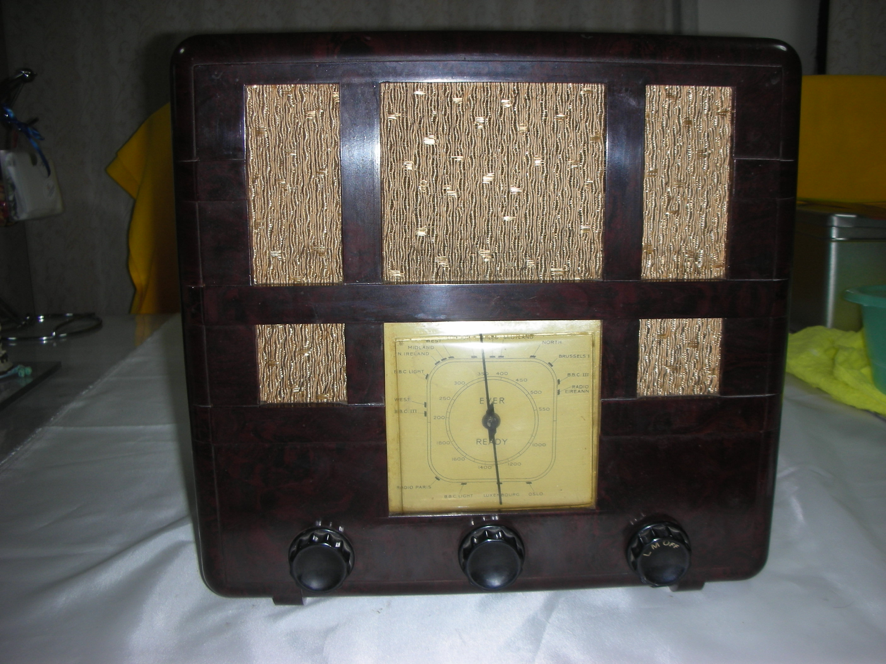
Due to World War II (1939–1945) and restrictions on the use of metal resources, civilian radio research and development were largely suspended. However, after the war, the industry quickly regained vitality, and a variety of radios featuring cabinets made from materials like Bakelite and plastic became widespread.
- 1940s: During World War II, governments around the world actively used radi as a tool for propaganda and information dissemination.
- 1945: Radio played a crucial role in announcing the end of the war, most notably with the Emperor’s “Jewel Voice Broadcast” (Gyokuon Hōsō) in Japan.
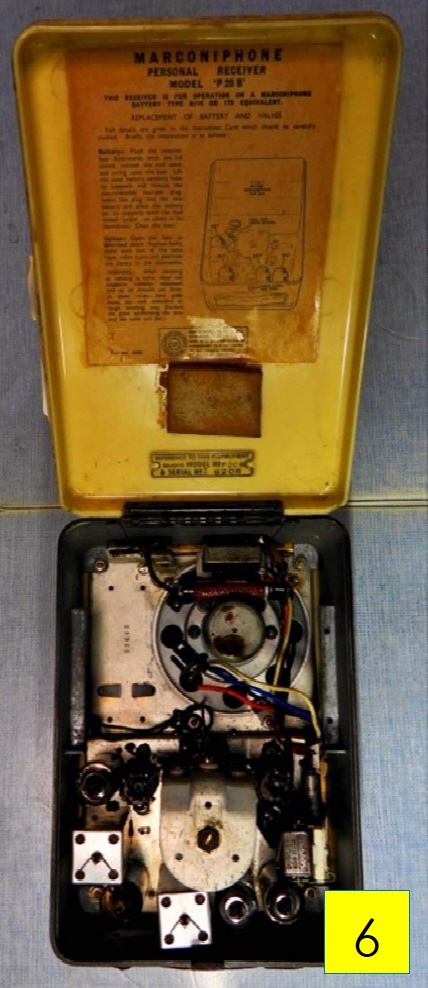
The 1950s saw significant progress in the miniaturization of radio technology, leading to the widespread adoption of portable radios. In the latter half of the decade, the integration of transistors allowed for the production of smaller, more energy-efficient radios.
- 1950s: As television began to proliferate, radio audiences experienced a decline.
- 1950s: Radio shifted its focus heavily towards music, becoming strongly associated with rock and roll and leading to the rise of the influential radio DJ.

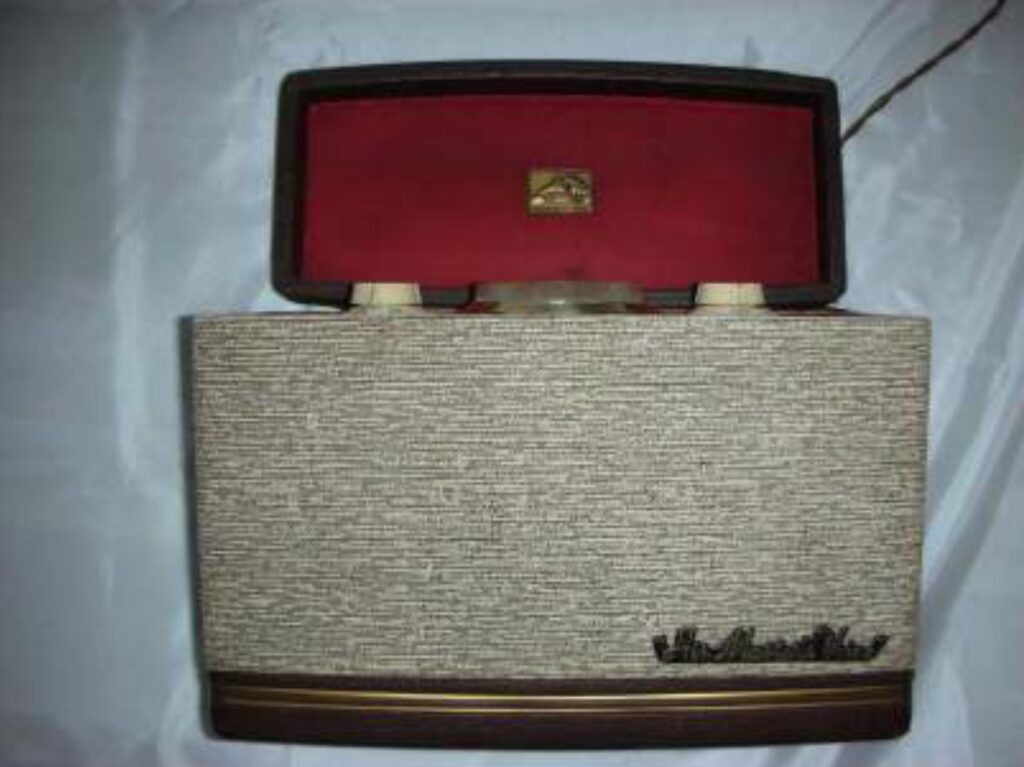
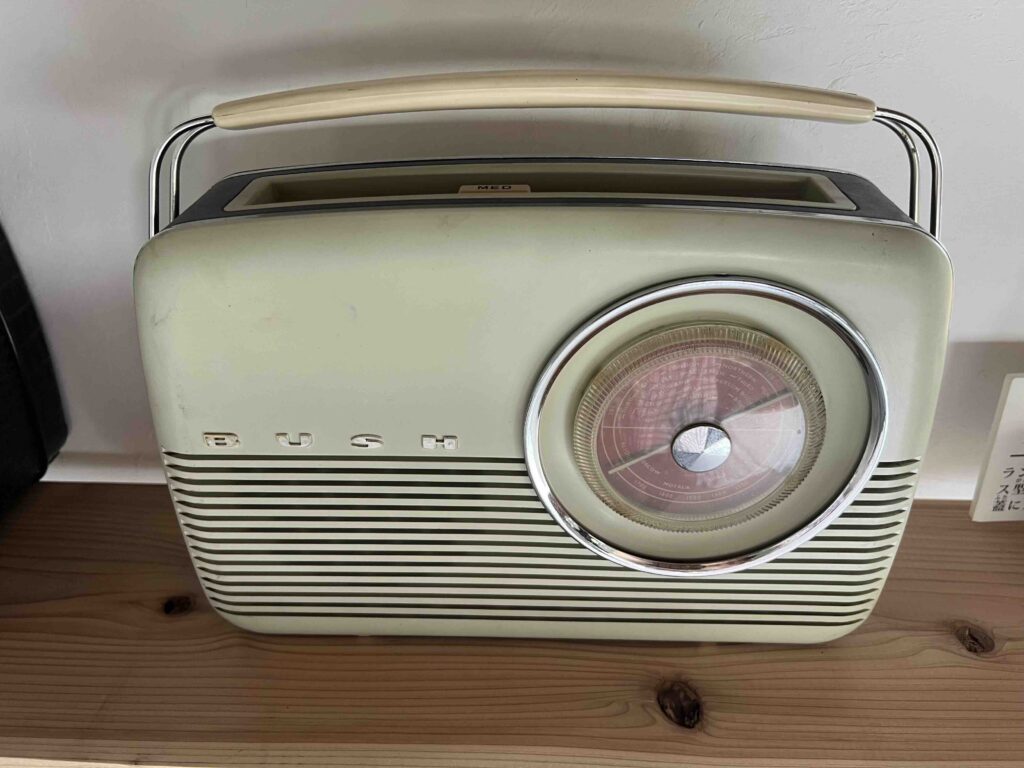

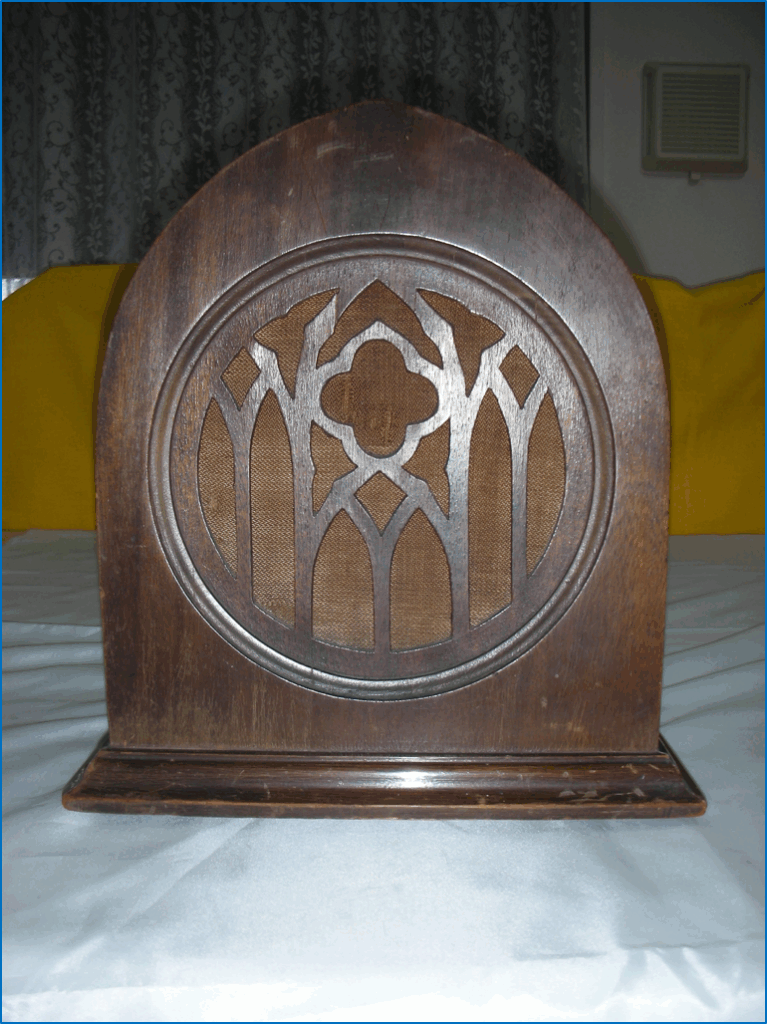
- 1960s: FM broadcasting became popular, leading to an increase in music programs broadcast with higher sound quality.
- 1970s: There was a growth in community radio stations focused on local issues, as well as specialized radio stations dedicated to niche genres.
- 1980s: Technological development advanced for Digital Audio Broadcasting (DAB).
- 1990s: With the proliferation of the Internet, experimental broadcasts of Internet radio began.
- 2000s: The emergence of podcasts allowed users to listen to their favorite programs anytime they wanted.
- 2010s: The spread of smartphones and smart speakers diversified how radio is consumed. Services like radiko made it commonplace to listen to radio without being restricted by location or time.
- Present: Radio continues to evolve by embracing digital technology, including podcasts, subscription services, and integration with social media. Its crucial role as a means of information dissemination during disasters also remains vital.