
Period
Late 1800s – 1920s: The Vacuum Tube Era
The dawn of radio was entirely centered around the vacuum tube, which was an indispensable component for amplifying and detecting radio waves.
- 1883: Thomas Edison discovered the Edison effect, the phenomenon where an electric current flows from a heated filament in a vacuum.
- 1904: John Ambrose Fleming invented the diode vacuum tube (Fleming valve). It was used as a detector to convert alternating current (AC) into direct current (DC).
- 1906: Lee de Forest invented the triode vacuum tube (Audion tube). Its amplification capabilities significantly advanced the practical use of radio.
- 1920s: Radio broadcasting began, and vacuum tube radios became common in many households.

Period
1930s – 1950s: Improvement of Vacuum Tubes and Diversification of Components
Radios became smaller and more powerful, and their components diversified.
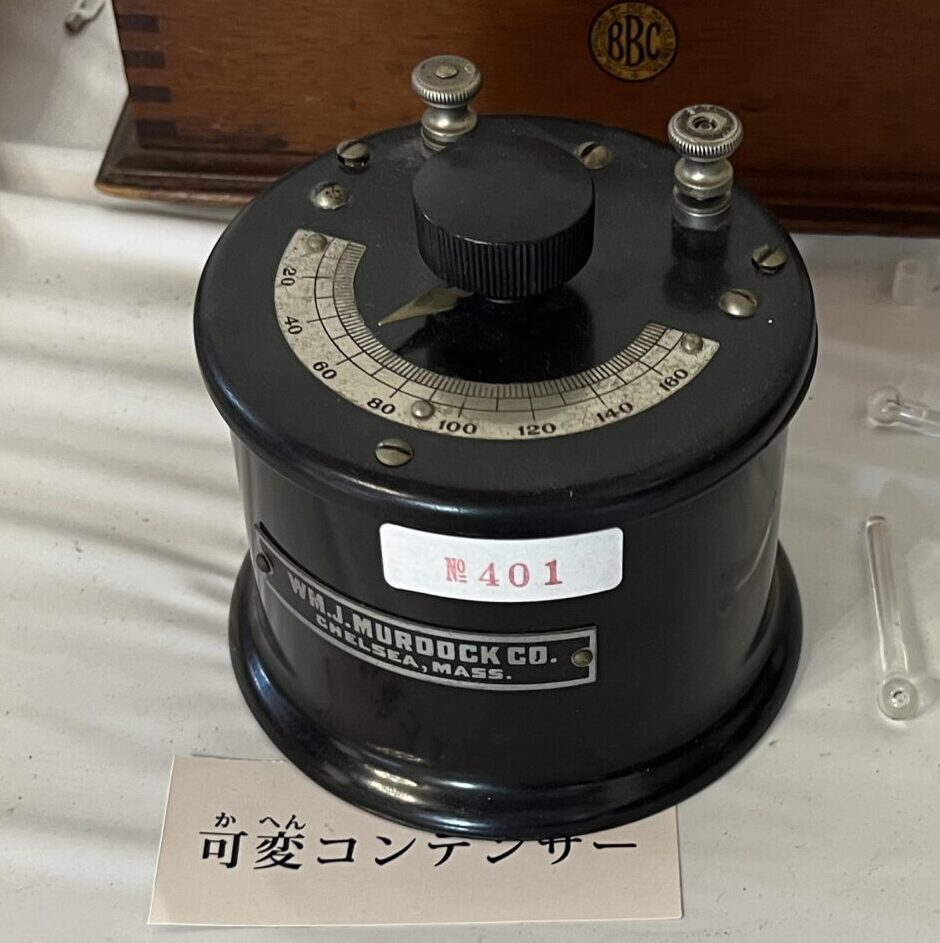
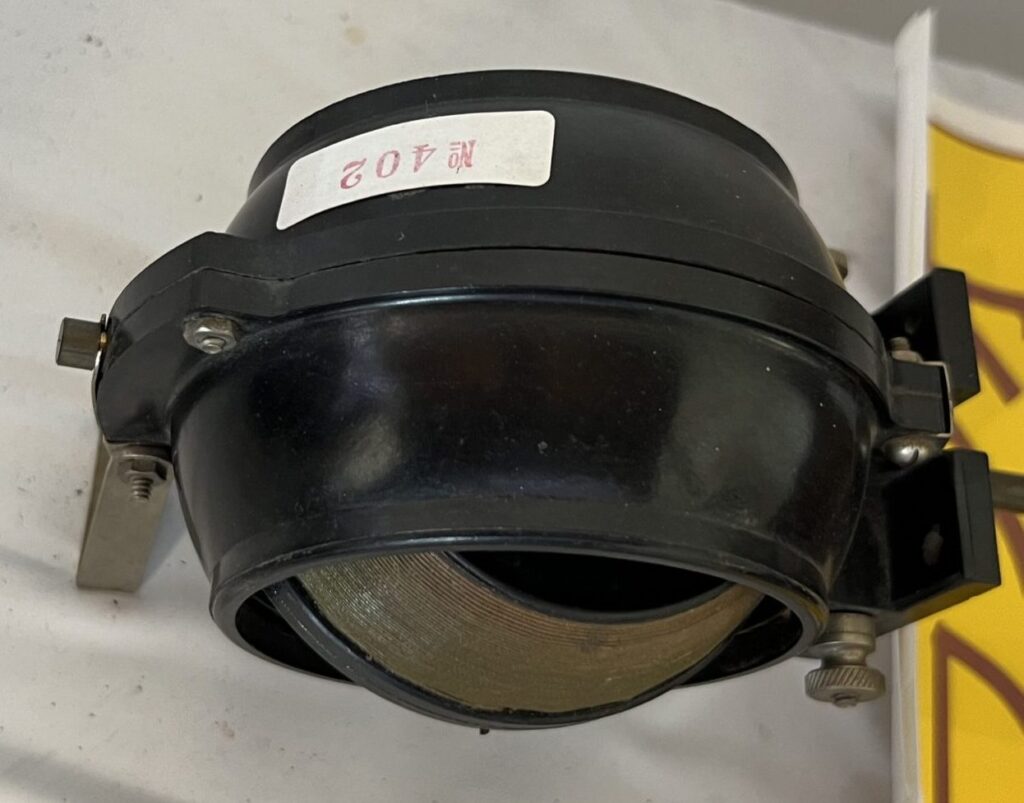
- 1930s: The superheterodyne circuit became widespread, leading to the development of high-performance radios. Circuit components such as variable capacitors and high-frequency transformers evolved.
- 1940s: Smaller vacuum tubes (miniature tubes) were introduced, contributing to the miniaturization of radios.
- 1947: William Shockley, John Bardeen, and Walter Brattain at Bell Labs invented the transistor. This pivotal technology would eventually replace the vacuum tube.
Period
1950s – 1970s: The Dawn of the Semiconductor Era
With the arrival of the transistor, radios became dramatically smaller and lighter, and their power consumption was reduced.
- 1954: The American company Regency released the world’s first transistor radio.
- 1955: Tokyo Tsushin Kogyo (Tokyo Telecommunications Engineering Corporation, now Sony) released Japan’s first transistor radio, the “TR-55.” This development transformed the radio into a truly portable consumer appliance.
- 1960s: The Integrated Circuit (IC) was developed, making it possible to combine multiple components onto a single chip. This further advanced the miniaturization and mass production of radios.
Period
1980s – Present: Digitalization and Multifunctionality
The evolution of semiconductor technology drove the transition of radio from analog to digital.
- 1980s: Digital tuning became widespread, making station selection more accurate and easier.
- 1990s: As ICs became smaller and more powerful, radios equipped with DSP (Digital Signal Processor) emerged. This led to improved sound quality and the incorporation of multiple features.
- 2000s and Beyond: It became common for radio functionality to be integrated into other devices such as mobile phones, smartphones, and PCs. Components have become even smaller and more highly integrated, with SMD (Surface-Mount Devices) becoming the dominant type of component.