
It hasn’t been that long since we became able to record speech, music, and other sounds. In 1877, American Thomas Alva Edison invented the tin foil cylinder phonograph, making it possible to record sound for the very first time. In the 20th century, as Edison began mass-producing the cylinder phonograph, the device became common among the general public. The disc gramophone, which recorded sound onto flat records, was developed by Emile Berliner in 1888. It was repeatedly improved upon by many people and spread widely throughout the world. The machine that records and plays back sound has become an indispensable tool in our daily lives.
Period
Late 19th Century: Invention and Early Development
- 1857: France’s Édouard-Léon Scott de Martinville invented the “Phonautograph.” This device visually recorded sound waves but could not play them back.
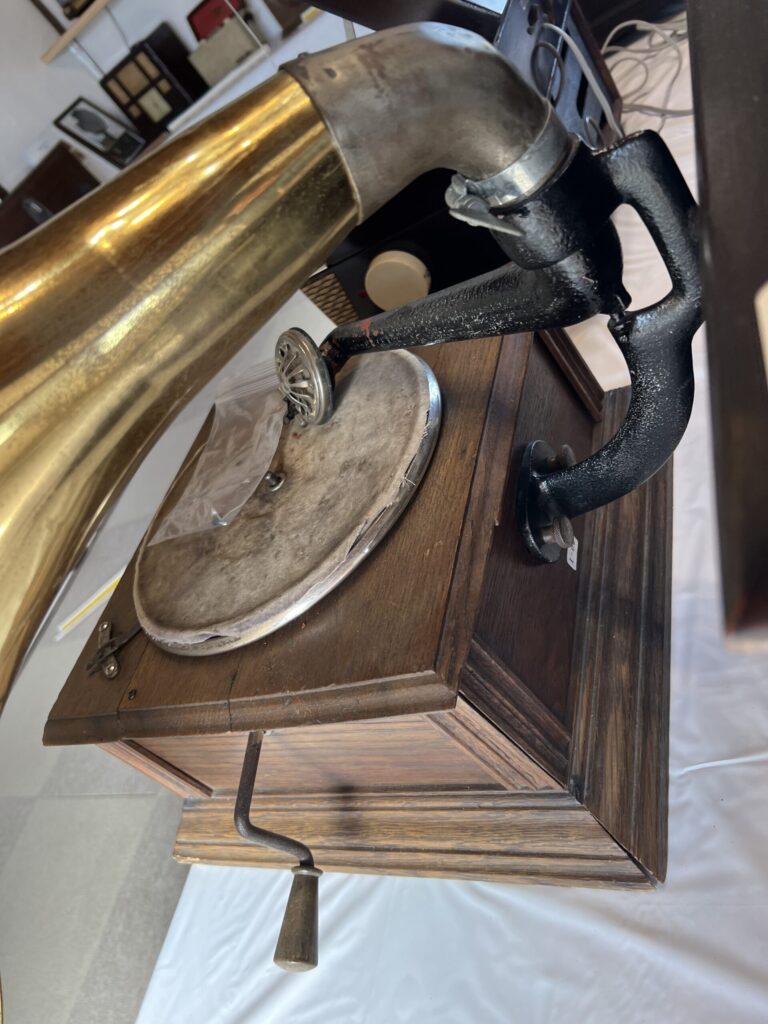
- 1877: Thomas Edison invented the “Phonograph,” which made both the recording and playback of sound possible. It used a method of engraving sound grooves onto a cylinder wrapped in tin foil. The first recording was “Mary Had a Little Lamb.”
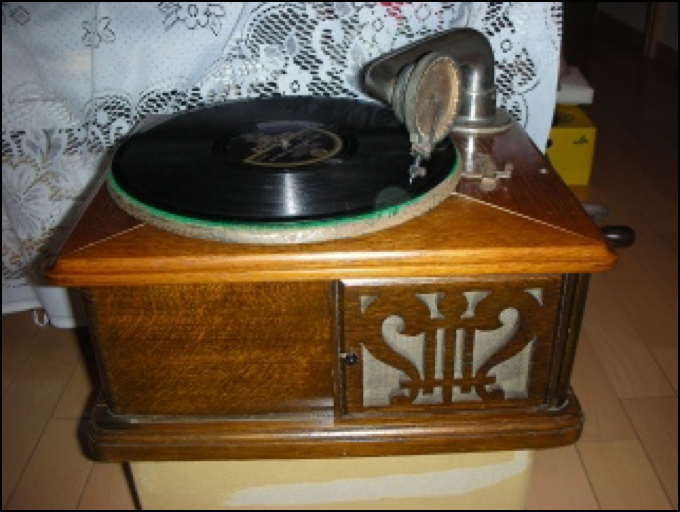
- 1887: Emile Berliner invented the “Gramophone,” which used disc-shaped records. Because the disc method was easier to mass-produce compared to the cylinder method, it laid the foundation for the later music industry.
Period
Early 20th Century: The Popularization and Golden Age of Disc Records
- 1888: Edison completed his improved wax cylinder phonograph.
- 1901: The Victor Talking Machine Company (later RCA Victor) was established in the United States.
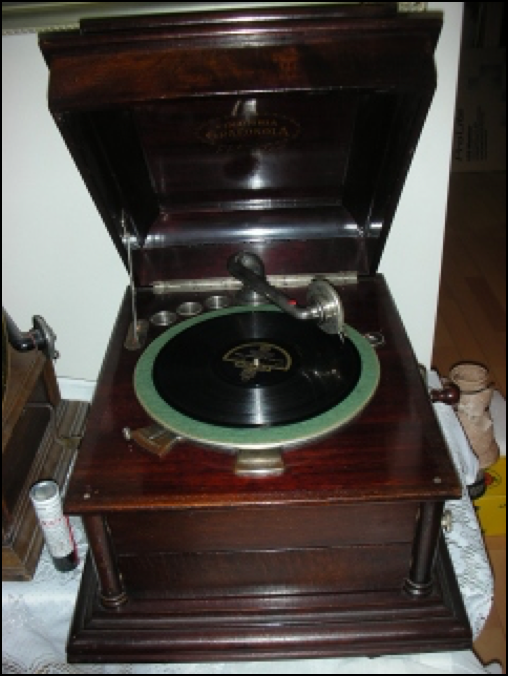
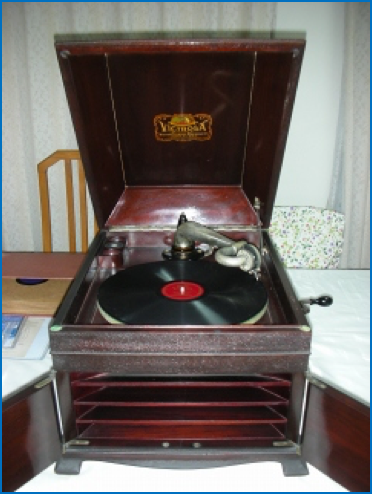
- 1906: Victor released the “Victrola,” a cabinet-style gramophone with an internal horn. It quickly became central to home entertainment.
- 1909: The standard for SP records (Standard Playing record, 78 revolutions per minute) was unified, ensuring compatibility across records.
- 1910: The first record company in Japan, Nipponophone Company (Nippon Chikun-ki Shōkai), was established, beginning the production of domestic records.
- 1920s: Electrical recording technology was developed, enabling higher fidelity sound recording. This allowed for the faithful capture of grand orchestral performances.
Period
1930s–1940s: Transition to Electric Phonographs and Transformation
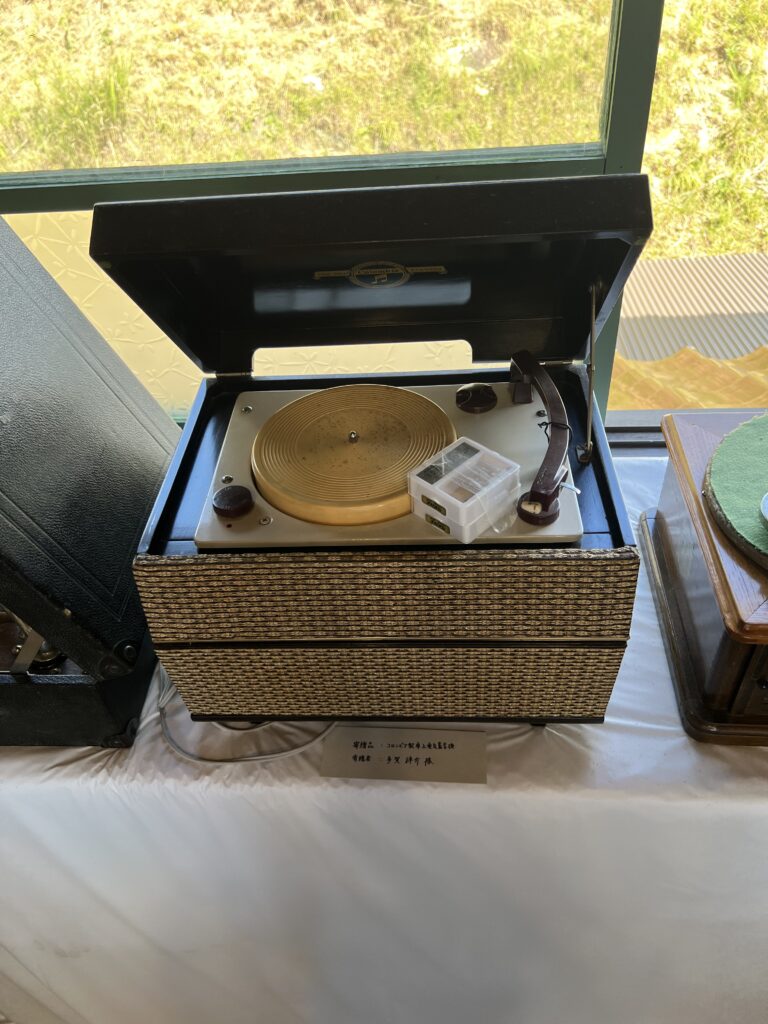
- 1930s: Electric phonographs, driven by electric motors, replaced spring-driven models as the mainstream.
- 1945: The British company Decca developed FFRR (Full Frequency Range Recording)
Period
1950s and Beyond: Evolution of Records and New Competition
- 1948: Columbia Records released the LP record (Long Playing record, 33 1/3 revolutions per minute), which allowed for longer recording and playback times.
- 1949: RCA Victor released the more casual EP record (Extended Playing record, 45 revolutions per minute).
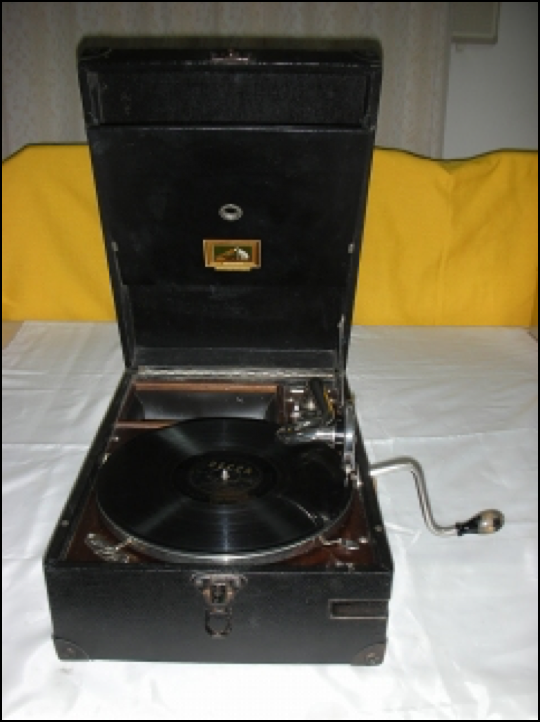
- 1950s: Portable phonographs and record players emerged, making music enjoyment even more accessible.
- 1958: Stereo recording and playback technology was commercialized, allowing listeners to enjoy three-dimensional sound from records.
Period
The Modern Era: The Phonograph as a Legacy
- 1970s–1980s: New media like cassette tapes and CDs emerged, marking the end of the phonograph and vinyl records as the mainstream music format.
- Present Day: The value of the phonograph is being reassessed as an antique or collectible item, and as a prized possession among music enthusiasts. Vinyl records have maintained an enduring popularity in the modern era as a niche format.